A Nonpartisan Nonprofit Organization

Modern commerce.
Outdated rules.

We modernize federal frameworks that disproportionately burden omnichannel and digital-first small businesses, removing structural friction so entrepreneurs can launch, grow, and thrive.

9–12×
higher per-employee compliance cost for small businesses vs. large
U.S. Small Business Administration
51%
of small business owners say policy regulations make it harder to grow
U.S. Chamber of Commerce
9%+
of annual revenue small businesses spend on tax compliance
Small Business & Entrepreneurship Council
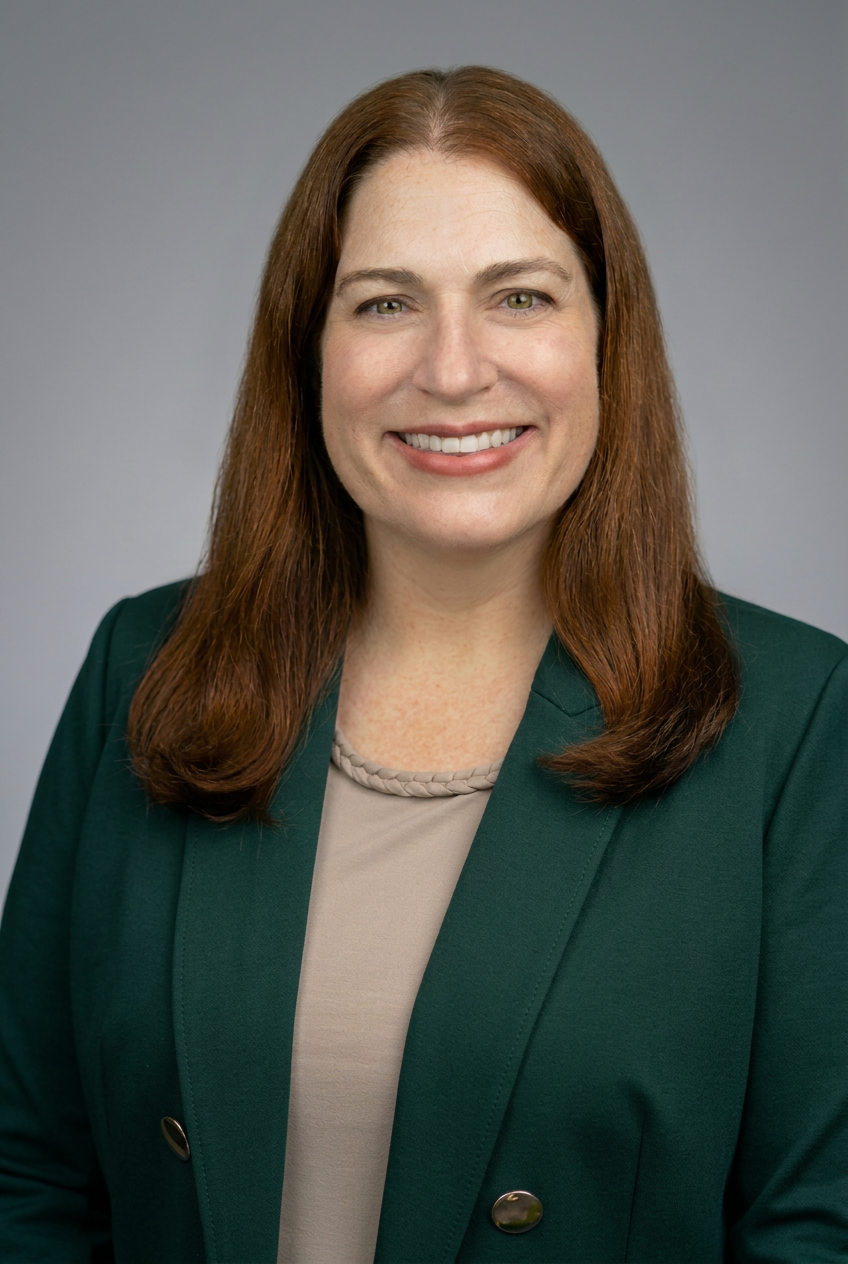
Sarah Wells, Founder & Executive Director
Leadership

Founded by an entrepreneur who's lived it.

Sarah Wells brings two decades of national nonprofit policy leadership at Women in Government and Consumer Voice, combined with 14 years of firsthand experience as the founder of an omnichannel small business. She has testified before Congress, the Federal Trade Commission, and the U.S. Trade Representative, with her story cited on the U.S. Senate floor.

A go-to media resource on small business, trade, and commerce policy with 100+ interviews in the last year, Sarah is active in policy leadership in her home state of Virginia, founded the Otrera Collective mentoring network for woman-owned small businesses, and launched Modern Commerce to translate operational realities of digital and omnichannel sellers into the federal policy modernization they need to grow.


As Featured In
The New York Times The Wall Street Journal NPR CNN
Our Mission

A compliance "tax" falls hardest on the smallest businesses.

Much of the regulatory infrastructure governing American commerce was designed before omnichannel commerce existed. Today even the smallest brick-and-mortar storefront sells across multiple channels, and millions of digital-first entrepreneurs have built businesses through marketplaces and direct-to-consumer platforms. Federal frameworks haven't kept pace with how modern commerce actually operates.

The result is mounting administrative friction that drains capital, deters new entrepreneurs, and makes the smallest businesses invisible in federal data. Modern Commerce exists to fix the buried assumptions in federal statutes, program design, and classification systems that systematically disadvantage today's businesses.

Key Priorities

Three pillars. One modernization agenda.

01

A Seat at the Table

Visibility for omnichannel and digital-first entrepreneurs in federal data, classification systems, and policymaking conversations. The smallest businesses driving today's commerce deserve to be seen by the policymakers shaping their future.

02

Right-Sized Compliance

Reducing regulatory burdens not designed for omnichannel and digital-first business models. Modernizing federal frameworks that force small businesses to divert growth capital into compliance infrastructure built for a different era of commerce.

03

Resources Built for Growth

Federal support that fuels the growth of omnichannel and digital-first businesses, with lending standards, data tools, and small business resources that reflect how today's entrepreneurs actually operate.

Why Modern Commerce

Much of the regulatory infrastructure governing American commerce was designed before omnichannel commerce existed. Modern Commerce exists to ensure outdated structures don't become the ceiling on today's entrepreneurs.

In the Conversation

Press, commentary, and analysis.

Modern Commerce contributes to the national conversation on small business policy through commentary, congressional testimony, op-eds, podcasts, and our affiliated Substack, Moms Mean Business, which reaches 30,000+ readers on federal policy and the realities of building a modern company.

Featured in 100+ national interviews in the last year, including The New York Times, The Wall Street Journal, NPR, and CNN.

Modern commerce deserves modern policy.

Connect with the Center for Modern Commerce Policy to learn how your organization can support federal commerce modernization.

Modern Commerce™ is the brand name of the Center for Modern Commerce Policy™, a 501(c)(6) nonprofit organization based in the Commonwealth of Virginia.

Contributions to the Center for Modern Commerce Policy are not deductible as charitable contributions for federal income tax purposes.